Brennus: Terror Gallicus by C.R. May
Review by Rob Bayliss
In this brilliantly compelling book, Brennus: Terror Gallicus, C.R. May takes us back to a time when Rome is but one small city competing with others, both in Italy and around the Mediterranean Sea.
But what of Barbaricum to the north?
 But what drove a city state on the edge of the Greek
cultural world to become this template?
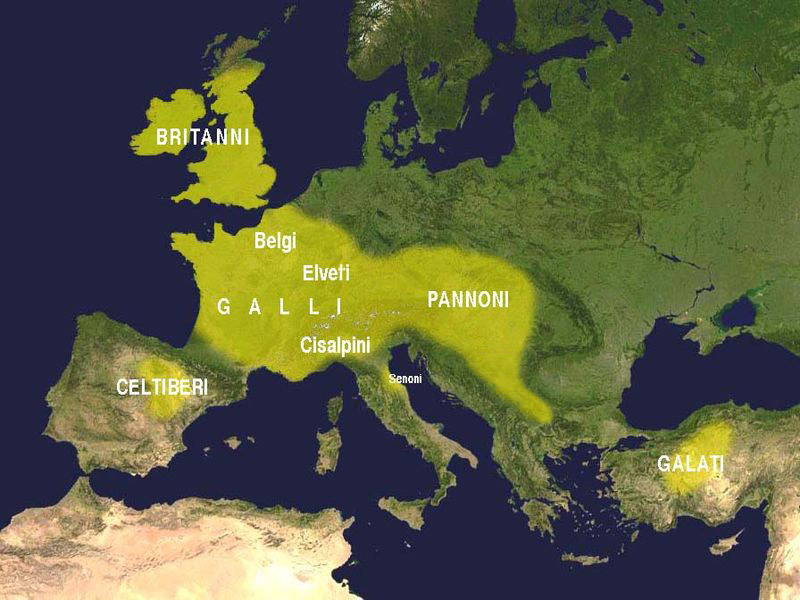 C.R. May takes us to
this world, a world somewhat belittled and denied us by history’s victors, a
Europe-wide culture that, unlike Rome, didn't write. It was from Celtica that the Romans copied mail armour, long inter-lockable shields and even the Gallic helmet which seems now so typically Roman. It was by the Celts that Rome received its first real taste of defeat that almost extinguished it. Perhaps this is why, of all peoples, it was the Celts that Rome seemed to wish to subdue and defeat more than all others.
 It is the 4th century B.C. and this is the Celtica of
legend, a society of heroes, warriors and druids. Where gods and goddesses are
embodied in the earth and the sky, where kings willingly sacrifice themselves
to be at one with the goddess of the earth and ensure her blessings upon the
tribe. As is the custom children are sent to be fostered with
other tribes to learn the ways of others; so it is that Solemis, a young
warrior of the Gaulish Senone tribe, finds himself in the land of the Trinobante
tribe in Albion. While he is there he swears blood brotherhood to Catumanda, a
trainee female druid who has the questionable gift of prophetic dreams, and
Albiomaros who becomes his most trusted friend.
Years have passed and Catumanda, troubled by dreams, has completed her training while Albiomarus has accompanied Solemis back to the lands of the Senones. These are turbulent times; to ensure that the lands are not stripped of their fertility by overpopulation, a tribe has been chosen to migrate out of Celtica and settle new lands beyond the Alps. Thus it is that Catubaros, chieftain of the Senones, willingly sacrifices himself to seek approval from Sequana, the goddess river Seine, for this enterprise as the tribe prepares to migrate en masse.

Engineering a coup and the mysterious disappearance of Catubaros' son, the great Senone warrior Brennus is elected as chieftain. Brennus has a vision to carve his people a land, and unlike the deposed son of Catubaros has the military prowess to succeed as they will invade the territory of the Etruscan city states of northern Italy.
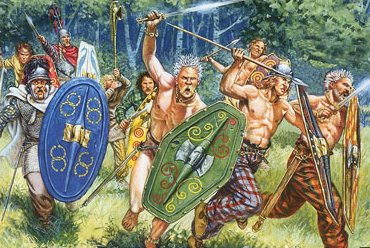
But other forces are at work here, families eager for the betterment of their house and city playing faction against faction. To these factions the Gauls are just ignorant barbarians, but they underestimate Brennus and his clan chiefs such as Solemis at their peril.
Mr. May's attention to detail in descriptions of landscapes, down to seasonal plants, transports the reader into the world he weaves. In some quite beautiful passages you can smell the heady scents, hear the buzzing of insects and be dazzled by the reflected sunlight on the fen waters. The dialogue is realistic, effortlessly weaving in Celtic words and quite cynical at times, as in the passage when Connos teaches his son, Solemis, a lesson in politics.
"I arrived too late to hear the beginning of the fun. Tell me; who proposed that Brennus should become war leader, just until Maros returns?"
Solemis cast his mind back.
"Crixos."
Connos snorted and stared straight ahead. His warriors were just leading the families of the clan safely out on to the plain. Albiomaros saw Solemis and Connos and waved happily from the flank. Solemis was about to return the gesture when his father asked another question.
"And who was closest to Brennus when he went to have his acclamation approved by Devorix?"
Solemis' cheeks flushed as he realised he had been as easily manipulated as the others. He sighed but answered truthfully.
"Crixos."
At his side Connos hawked and spat.
"As I said. Men are sheep."
I thoroughly enjoyed this book; the author paints such a vivid picture of Celtic society and their beliefs that I just got swept away in it. It mainly alternates between two story lines: the battles and migration of the Senones with Solemis and Albiomarus, and also the journey undertaken by Catumunda across Albion--both spiritual and physical. The description of her journey across a familiar yet ancient landscape was enthralling and equally as exciting as Solemis’ story-line, and his growing reputation as a warrior and clan chief. The author was able to describe the fantastical magic of druidic practices, its visions and portents, and yet make them appear wholly believable.
All men, but perhaps warriors in particular knew to fear the appearance of the Morrigan. Accompanied by her sisters Madness and Violence, the shape shifting goddesses often took the form of three huge crows, soaring over the battlefield as they waited to convey the souls of the dead to the Underworld.
The dreams lead Catumunda on beyond the shores of Albion; they indicate she will see her blood brothers, Solemis and Albiomarus, again. Meanwhile, as trusted warriors of Brennus, they have a score to settle and Woe to the conquered.
 About the Author
Review by Rob Bayliss
Please see below for information about a giveaway copy!
Over
his head is shrieking a lean hag, quickly hopping.
Over
the points of weapons and shields.
She
is the grey haired Morrigan.

We are taught from an early age of the glory of
Rome; we find its echoes in the modern world all around us. The tactics of its
generals are still taught to military students now, its politics studied by
those who would aspire to be politicians. It was a literate
empire, its generals and emperors obsessed with leaving a legacy to reach
beyond the count of their mortal years. Thus we have records and biographies that are still studied to this day. Scratch beneath our society’s modern, political, veneer and there is the Roman world with
all its lusts for wealth and power, its machinations of bread and circuses and
its politics of divide and rule.
It is looked upon as the epitome of order; since its
fall many is the king or emperor who has tried to unite Europe as Rome once did.
Empires come and go, yet Roman architecture and symbolism is more often than not chosen to proclaim
their greatness, whether it be Pax Britannica, Pax Americana, Napoleonic laurel
leaves or would-be Caesars called kaisers and tsars.
Before Rome rose to
bestride Europe there was another power, a power that was technologically
sophisticated, with an intricate network of trade routes, both within and
without. It was an empire, yet not an empire. It was a federation of nations,
yet each fiercely independent and sometimes openly bellicose towards each
other. From Ireland to Turkey a single culture with similar languages held
sway. The Greeks had traded with these people for many years, naming them the
Keltoi and noting their love of war and wine.
Years have passed and Catumanda, troubled by dreams, has completed her training while Albiomarus has accompanied Solemis back to the lands of the Senones. These are turbulent times; to ensure that the lands are not stripped of their fertility by overpopulation, a tribe has been chosen to migrate out of Celtica and settle new lands beyond the Alps. Thus it is that Catubaros, chieftain of the Senones, willingly sacrifices himself to seek approval from Sequana, the goddess river Seine, for this enterprise as the tribe prepares to migrate en masse.
Engineering a coup and the mysterious disappearance of Catubaros' son, the great Senone warrior Brennus is elected as chieftain. Brennus has a vision to carve his people a land, and unlike the deposed son of Catubaros has the military prowess to succeed as they will invade the territory of the Etruscan city states of northern Italy.
But other forces are at work here, families eager for the betterment of their house and city playing faction against faction. To these factions the Gauls are just ignorant barbarians, but they underestimate Brennus and his clan chiefs such as Solemis at their peril.
Mr. May's attention to detail in descriptions of landscapes, down to seasonal plants, transports the reader into the world he weaves. In some quite beautiful passages you can smell the heady scents, hear the buzzing of insects and be dazzled by the reflected sunlight on the fen waters. The dialogue is realistic, effortlessly weaving in Celtic words and quite cynical at times, as in the passage when Connos teaches his son, Solemis, a lesson in politics.
"I arrived too late to hear the beginning of the fun. Tell me; who proposed that Brennus should become war leader, just until Maros returns?"
Solemis cast his mind back.
"Crixos."
Connos snorted and stared straight ahead. His warriors were just leading the families of the clan safely out on to the plain. Albiomaros saw Solemis and Connos and waved happily from the flank. Solemis was about to return the gesture when his father asked another question.
"And who was closest to Brennus when he went to have his acclamation approved by Devorix?"
Solemis' cheeks flushed as he realised he had been as easily manipulated as the others. He sighed but answered truthfully.
"Crixos."
At his side Connos hawked and spat.
"As I said. Men are sheep."
I thoroughly enjoyed this book; the author paints such a vivid picture of Celtic society and their beliefs that I just got swept away in it. It mainly alternates between two story lines: the battles and migration of the Senones with Solemis and Albiomarus, and also the journey undertaken by Catumunda across Albion--both spiritual and physical. The description of her journey across a familiar yet ancient landscape was enthralling and equally as exciting as Solemis’ story-line, and his growing reputation as a warrior and clan chief. The author was able to describe the fantastical magic of druidic practices, its visions and portents, and yet make them appear wholly believable.
All men, but perhaps warriors in particular knew to fear the appearance of the Morrigan. Accompanied by her sisters Madness and Violence, the shape shifting goddesses often took the form of three huge crows, soaring over the battlefield as they waited to convey the souls of the dead to the Underworld.
The dreams lead Catumunda on beyond the shores of Albion; they indicate she will see her blood brothers, Solemis and Albiomarus, again. Meanwhile, as trusted warriors of Brennus, they have a score to settle and Woe to the conquered.
*********
C.R. May has so graciously offered a FREE COPY of Brennus: Terror Gallicus for one lucky winner. To get your name in the draw, simply comment below OR at this review's Facebook thread, located here.
*********
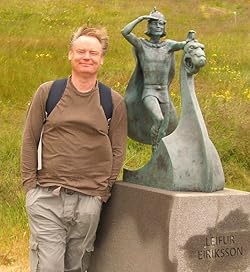
C.R. May was born in Bow, East London before his family moved to South Ockendon, Essex. After hearing that Ockendon translated as Wocca's Hill in Saxon, a lifelong passion in history was kindled, which has taken him from Berlin to the site of the battle of Little Big Horn (via Erik the Red's Icelandic hall!). The influx of Germanic adventurers was recorded in the place names around him and, inspired one day, he decided to weave his own stories into this history. You can read and discover more information at his blog and the author may be found at Facebook.
Rob Bayliss is a reviewer at The Review and is currently writing his own fantasy series. Information on his writing projects can be found at Flint & Steel, Fire & Shadow.
*********
Rob Bayliss is a reviewer at The Review and is currently writing his own fantasy series. Information on his writing projects can be found at Flint & Steel, Fire & Shadow.